Best Third-Party Tested Creatine Supplements in 2026
Last updated:
Creatine is the most studied ergogenic supplement in history. But purity varies wildly between brands. We ranked 14 creatine brands by verifiable third-party testing data, certifications, and FDA record — not marketing claims.
Why does third-party testing matter for creatine?
Third-party testing matters for creatine because it is cheap to manufacture, which attracts low-quality producers whose creatine can carry heavy metals, synthesis byproducts (DCD, DHT), creatinine waste, and banned-substance contamination. Of the 14 dedicated creatine brands in our database, only 5 are third-party tested or certified — so verification is the only way to know what is really in the tub. Here is what can go wrong:
- Heavy metal contamination — Creatine synthesized from sarcosine and cyanamide can contain residual heavy metals (lead, mercury, arsenic) if purification is inadequate. A 2011 study in Food Additives & Contaminants found detectable levels of heavy metals in several commercial creatine products. Cheap Chinese-manufactured creatine is particularly high risk.
- Dicyandiamide (DCD) and dihydrotriazine (DHT) — These are unwanted byproducts of creatine synthesis. DCD is relatively inert, but DHT is structurally similar to compounds flagged for potential mutagenicity. Neither should be present in meaningful quantities in properly purified creatine.
- Creatinine contamination — Creatinine is a breakdown product of creatine. High levels indicate poor manufacturing conditions (excessive heat/moisture during production or storage). You're paying for inert waste product instead of active creatine.
- Banned substance risk — For competitive athletes, even trace contamination with stimulants or anabolic agents can trigger a positive drug test. WADA anti-doping violations have been caused by contaminated supplements. Third-party tested creatine eliminates this career-ending risk.
Third-party testing verifies that what's on the label matches what's in the container — and that nothing dangerous is hiding alongside it. For creatine specifically, testing should cover heavy metals, synthesis byproducts, microbial contamination, and banned substances.
For a deeper dive on what these certifications actually test, read our complete guide to third-party testing.
Does the creatine source matter — Creapure vs generic?
Yes, the source matters: Creapure (made by AlzChem in Germany) guarantees 99.99% purity with every batch HPLC-tested for heavy metals, DCD, DHT, and creatinine, while generic creatine often has no batch-level traceability. Creapure has become the de facto industry purity standard, and for good reason:
- Controlled synthesis — Manufactured in a dedicated pharmaceutical-grade facility in Germany, not a multi-purpose chemical plant. The synthesis process is optimized to minimize byproducts like DCD and DHT.
- Purity guarantee — Creapure guarantees 99.99% pure creatine monohydrate. Every batch is tested for heavy metals, DCD, DHT, and creatinine content via HPLC analysis. Certificates of analysis are available.
- Banned substance tested — Every Creapure batch is tested for banned substances per WADA standards, making it safe for competitive athletes without needing a separate Informed Sport certification (though some brands carry both).
- Traceability — Each batch can be traced back to its production run. Most generic creatine from Chinese manufacturers has no batch-level traceability.
Generic creatine isn't automatically bad. Some Chinese manufacturers produce high-purity creatine. But without third-party verification, you're trusting a supply chain with no transparency. The price difference between Creapure and generic creatine is typically $5-10 per container — a negligible cost for a supplement you take daily for years.
Bottom line: If a brand uses Creapure, it's a strong purity signal. If a brand uses generic creatine, third-party certification (NSF, USP, or Informed Sport) becomes essential to verify purity.
Why is Informed Sport certification critical for athletes?
Informed Sport certification is critical for athletes because it batch-tests creatine against the full WADA Prohibited List using ISO 17025 methods, buys products off retail shelves, and audits facilities for cross-contamination — so a single contaminated tub cannot end a career. If you compete in any tested sport, from Olympic athletics to NCAA to the CrossFit Games, it is non-negotiable. Here is what it actually does:
Here's what Informed Sport actually does:
- WADA banned substance screening — Every batch is tested against the current WADA Prohibited List using ISO 17025 accredited methods. This covers anabolic agents, stimulants, narcotics, diuretics, and more.
- Blind purchasing — Informed Sport buys products off retail shelves (not directly from manufacturers), testing what consumers actually receive.
- Ongoing surveillance — Certification isn't a one-time test. Products are retested on an ongoing basis with randomized lot selection.
- Facility audits — Manufacturing facilities are audited for cross-contamination risk. A creatine product made on shared equipment with a pre-workout containing DMAA is a contamination risk regardless of the creatine quality.
NSF Certified for Sport offers similar banned-substance testing with additional label accuracy verification. USP Verified focuses on potency and purity but is less common in the sports nutrition category. See our NSF vs USP vs Informed Sport comparison for the full breakdown.
Currently, 5 creatine brands in our database carry Informed Sport certification.
What are the top third-party tested creatine brands?
Our Top 3 Picks
Affiliate links — we may earn a commission at no extra cost to you. This does not affect our trust scores.
See all 14 creatine brands ranked below.
Which tested creatine brands have featured products on Amazon?
Top picks from third-party tested creatine brands. Prices and availability are pulled live from Amazon.

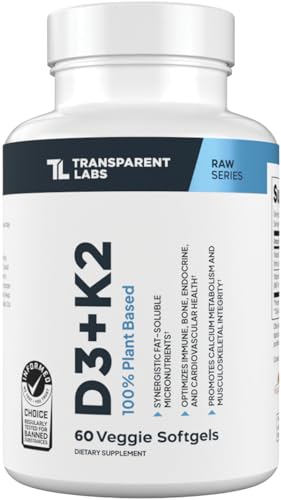


How do all 14 creatine brands rank by trust score?
All 14 creatine brands below are scored 0–100 on certifications, FDA record, and transparency, with third-party tested brands ranking highest. Only 5 carry a recognized certification or verified testing claim — the rest rely on manufacturer assurances.
Dymatize
Transparent Labs
AllMax Nutrition
NOW Sports
Momentous
⚠ No GMP certification visible
Rivalus
⚠ No third-party testing certifications found
EFX Sports
⚠ No third-party testing certifications found
NutraBio
⚠ No third-party testing certifications found
Crazy Nutrition
⚠ No third-party testing certifications found
MuscleTech
⚠ No third-party testing certifications found
BodyTech
⚠ No third-party testing certifications found
Beyond Raw
⚠ No third-party testing certifications found
Body Fortress
⚠ No third-party testing certifications found
GNC Pro Performance
⚠ High number of FDA adverse event reports (65)
How do I verify my creatine is third-party tested?
Verify it by searching the product (not just the brand) in the NSF and Informed Sport databases, checking for a Creapure license, and requesting a batch Certificate of Analysis from an independent lab. Marketing claims like "lab tested" or "quality tested" mean nothing without that independent verification. Here is the step-by-step process:
- Check the NSF database — Search nsfsport.com for the specific product (not just the brand). NSF certifies individual products, not entire companies.
- Check the Informed Sport database — Search informed-sport.com for the product. Look for the batch-specific certification, not just a general listing.
- Look for Creapure verification — If the label claims Creapure sourcing, look for the Creapure logo and check if the brand is listed on creapure.com as a licensed partner.
- Request a Certificate of Analysis (CoA) — Legitimate brands will provide a CoA for any batch. It should come from an independent lab (not the manufacturer's in-house lab) and show results for heavy metals, microbial contamination, and identity/potency testing.
- Check our database — Use our brand checker to see the trust score, certifications, and FDA record for any creatine brand.
Red flags: brands that claim "third-party tested" but won't name the lab or provide a CoA. Brands that cite internal testing as "third-party." Brands with no certification logos on the actual product label (only on their website).
Where can I read more about creatine and testing?
- Best Creatine Brands — Full creatine brand rankings by trust score
- Best Third-Party Tested Supplements — All certified brands across every category
- Third-Party Testing Explained — What testing actually covers and why it matters
- NSF vs USP vs Informed Sport — Certification comparison breakdown
Free: The Trusted Supplement Shortlist
Get the PDF: every brand that publishes lab results, holds NSF/USP/Informed Sport, and has a clean FDA record. Plus FDA recall alerts when something you bought is pulled.
Check Any Creatine Brand
Search our database of 7882+ supplement brands for trust scores, certifications, and FDA safety data.
Check a Brand →